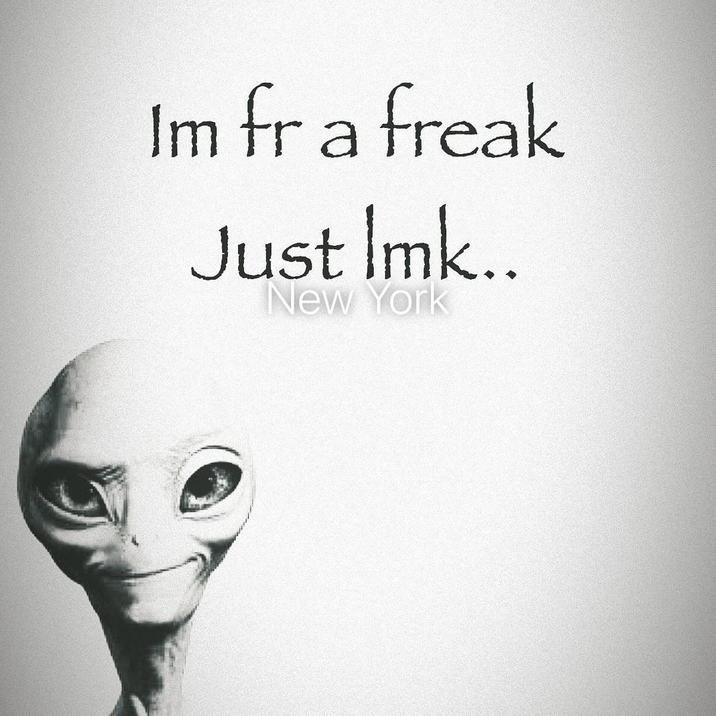
Papyrus Font In Pop Culture: Its Iconic Rise Through Memes And Movies
You see it everywhere, often without consciously registering it—that distinct, earthy typeface with the rough edges and an air of ancient mystery. Then, suddenly, it clicks: "Oh, it's Papyrus." From restaurant menus to blockbuster movie titles, and increasingly, as the star of its own internet memes, the Papyrus Font in Pop Culture: Memes, Movies, and its Iconic Status is a narrative unlike any other typeface. It’s a story of accidental ubiquity, passionate design, and an ironic journey from revered craft to cultural punching bag.
This isn’t just about a font; it’s about how design elements embed themselves into our collective consciousness, shaping perceptions and sometimes, becoming legends in their own right. Papyrus isn’t merely a choice on a dropdown menu; it’s a shorthand, a punchline, and a testament to the unpredictable currents of popular culture.
At a Glance: Papyrus’s Pop Culture Journey
- Birth of a Classic: Created in 1982 by Chris Costello, inspired by ancient manuscripts and calligraphy.
- Distinctive Look: Known for its textured, hand-crafted appearance and irregular strokes, blending historical charm with readability.
- Rapid Rise to Fame: Gained immense popularity due to its unique aesthetic, widespread availability on software platforms (like Microsoft Windows), and early adoption in media.
- Hollywood’s Darling (Initially): Frequently used in films, advertisements, and branding to evoke exotic, historical, or mystical themes, most famously in Avatar.
- The Meme Machine: Its overuse, particularly in Avatar, led to widespread mockery, culminating in the iconic Saturday Night Live sketch starring Ryan Gosling.
- Iconic Status: Despite (or perhaps because of) the criticism, Papyrus cemented its place as one of the most recognizable and discussed fonts in contemporary culture, enduring as both admired and ridiculed.
The Unmistakable Mark: What is Papyrus and Why Do We See It Everywhere?
Before it became a meme, Papyrus was a vision. In 1982, graphic designer and calligrapher Chris Costello set out to create a typeface that captured the organic, hand-written feel of ancient scripts. He drew inspiration from historical manuscripts, early writing techniques, and the very material that gave the font its name: papyrus scrolls. The result was a font that felt both timeless and tangible, a bridge between archaic elegance and modern design.
Costello’s design philosophy emphasized authenticity over mere ornamentation. Papyrus is defined by its distinctive rough edges, subtle irregularities, and textured strokes, mimicking the natural wear and imperfections of aged parchment. Unlike many "ancient" or decorative fonts that can feel overly ornate or difficult to read, Papyrus found a remarkable balance. Its handcrafted look offered a sense of warmth and human touch, making it incredibly versatile for projects seeking an exotic, historical, or mystical vibe without sacrificing legibility. This unique aesthetic quickly set it apart, making it instantly recognizable and, critically, desirable for designers looking for something fresh and evocative.
Initially, Papyrus was intended for artistic and display purposes, a niche font for specialized projects. However, its fate took an unforeseen turn. When it became widely available on major software platforms, particularly Microsoft Windows, its reach exploded. Suddenly, a carefully crafted artistic font was accessible to anyone with a computer. This massive distribution was the primary catalyst for its journey from a designer's passion project to a global phenomenon, laying the groundwork for its subsequent omnipresence in advertising, branding, and, of course, the movies.
From Scroll to Screen: Papyrus's Ascent to Ubiquity
The moment Papyrus landed on every desktop, its destiny as a pop culture staple was sealed. Its availability on ubiquitous software platforms meant that countless businesses, graphic designers, and everyday users could easily access and deploy its distinctive look. From local cafes to holistic wellness centers, the font became a go-to choice for anyone wanting to signal "natural," "ancient," "exotic," or "spiritual" without having to commission custom typography. This democratic access, while boosting its fame, also sowed the seeds of its future controversy.
Beyond casual use, high-profile media appearances turbo-charged Papyrus’s recognition. Designers in Hollywood and advertising quickly recognized its potential to evoke specific moods and themes. Papyrus found its way into movie titles, album covers, and the branding for theme parks, where its ancient-style feel perfectly fit fantastical or historical contexts. It was a visual shorthand, conveying a sense of adventure, magic, or deep history with just a few letters.
Consider its role in various restaurant menus, particularly those specializing in Mediterranean, Asian, or "natural" cuisine. Papyrus offered an immediate, visceral connection to those cultural themes, enhancing the dining experience even before the first bite. Its ability to subtly influence perception made it an invaluable tool for branding, allowing businesses to tell a story through typography alone. This combination of effortless accessibility and strategic media placement transformed Papyrus from a niche artistic font into a widely recognized cultural icon, a powerful force that everyone, consciously or not, encountered regularly.
Papyrus in Hollywood: From Blockbusters to Backlash
Hollywood loves a good visual cue, and for years, Papyrus delivered. Its distinctive texture and "ancient" feel made it a popular choice for films and TV shows aiming to transport audiences to another time or place, or to imbue a narrative with a sense of mystery and gravitas. It wasn't uncommon to see Papyrus gracing the opening credits of fantasy epics, historical dramas, or documentaries exploring ancient civilizations. It became a reliable shorthand for "otherworldly" or "deep past."
Perhaps the most famous (or infamous) instance of Papyrus's cinematic presence is James Cameron's record-breaking film, Avatar. The font was prominently featured in the movie's title and promotional materials, becoming inextricably linked with the lush, alien world of Pandora. At the time, it might have seemed like a fitting choice, aligning with the film's themes of nature, spirituality, and an exotic new civilization. However, as Avatar became one of the highest-grossing films of all time, the sheer scale of Papyrus's exposure magnified its existing problem: overuse.
Beyond the big screen, Papyrus appeared everywhere from the labels on organic food products to the signage for yoga studios and tarot card readers. Its initial charm, designed to evoke uniqueness, slowly eroded with each new deployment. The fine line between "iconic" and "overdone" began to blur, especially for those with a discerning eye for design. While the public might not have articulated their fatigue, the design community certainly did, laying the groundwork for a cultural shift that would soon transform admiration into amusement, and eventually, outright parody.
The Meme Machine: How Internet Culture Cemented Papyrus's Legacy
The internet has a unique way of identifying and amplifying cultural phenomena, especially those that become victims of their own success. Papyrus, with its widespread use and distinct look, was ripe for memeification. Designers had quietly expressed their frustration over its ubiquity for years, but it wasn't until the mainstream caught on that Papyrus transcended mere font and became a genuine internet celebrity.
The tipping point arrived in 2017 with a now-legendary Saturday Night Live sketch starring Ryan Gosling. In the sketch, Gosling plays a man haunted by the revelation that the epic, multi-billion dollar film Avatar uses the Papyrus font, a font he describes as having been "found by a sturdy, handsome old man in a cave." The sketch perfectly articulated the exasperation felt by many: how could such a grand, ambitious film rely on a font so readily available and, in many designers' eyes, so overused and uninspired?
The SNL sketch wasn't just funny; it was a cultural event. It legitimized the quiet cringe, turning a niche design critique into a universally understood joke. Suddenly, everyone understood the Papyrus "problem." Internet memes exploded, taking cues from the SNL sketch and applying Papyrus to everything from fast-food logos to classic movie posters, highlighting the absurdity of its pervasive presence. This ironic twist, where mockery inadvertently made the font even more famous, cemented Papyrus as a genuine cultural reference point. The criticism, rather than harming its reputation in terms of recognition, actually reinforced its status, ensuring that Papyrus would forever be a topic of discussion, sometimes with admiration, sometimes with humor, but always with attention.
Decoding the Papyrus Paradox: Why We Love (to Hate) It
The journey of Papyrus font is a compelling paradox. How can a typeface designed with such artistic intent become both instantly recognizable and widely mocked? It boils down to a fundamental tension between versatility and specificity, and the human tendency to tire of even the most distinctive elements when they lose their original context or become diluted by repetition.
For designers, the "Papyrus problem" often stems from its very success. Its ability to evoke "ancient," "natural," or "mystical" themes so effectively led to its wholesale adoption by virtually any business wanting to project a similar vibe. This transformed its unique aesthetic into a pervasive cliché. What once felt authentic and handcrafted began to feel lazy and unoriginal. The font, initially a testament to specific artistry, became a generic stand-in for a whole category of ideas, losing its nuance in the process.
Yet, this widespread recognition, even through ridicule, is a testament to Papyrus's enduring impact. It proves that a font can transcend its original purpose, becoming a shorthand for broader cultural trends and conversations. The humor in the memes and the SNL sketch isn't just about a font; it's about the broader human experience of encountering things that are just a little bit off or too common in unexpected places. The collective groan over Papyrus is a shared cultural experience, a nod to the fact that we all "get" the joke.
So, when is Papyrus actually the right choice? In extremely specific, niche contexts where its use is highly intentional and perhaps ironic, it might work. For example, if you’re designing for a very specific historical recreation or a playful parody that requires that distinct, overused feel. But generally speaking, its baggage in pop culture means that using Papyrus today often sends a message you might not intend: "I don't know much about typography," or "I picked the first 'ancient-looking' font I saw." Understanding this cultural baggage is key to making informed design decisions.
Beyond the Hype: Crafting Your Own Distinctive Visual Story
The Papyrus saga offers a vital lesson for anyone involved in visual communication: intention matters. While Papyrus inadvertently became a cultural icon, its story highlights the power (and pitfalls) of font choice. If you’re looking to evoke similar themes of nature, history, or mysticism without falling into the "Papyrus trap," a world of alternative typefaces awaits, offering fresh perspectives and unique character.
Consider exploring fonts that share Papyrus's organic, textured feel but carry less cultural baggage. Typefaces from the "humanist" or "calligraphic" categories, or those inspired by ancient scripts but reinterpreted with a modern sensibility, can achieve a similar effect without the associated clichés. Look for fonts with subtle irregularities, hand-drawn qualities, or earthy textures. Many independent type designers offer stunning alternatives that convey depth and character while still feeling fresh and original.
The art of intentional font choice goes far beyond simply picking something that "looks good." It's about matching the font to your message, understanding your audience, and reinforcing your brand's unique identity. A font speaks volumes before a single word is read. Does it convey trustworthiness, playfulness, sophistication, or something else entirely? Every curve, every stroke, contributes to the overall narrative. When you make deliberate choices, you empower your visual communication to resonate more deeply and authentically with your audience.
For those eager to experiment with text styles and find their own unique visual voice, tools are readily available. You can even Create Papyrus text online to understand its specific qualities or to playfully incorporate it into your own meme. However, for serious branding, the goal is always to stand out, not just fit in.
Your Font, Your Statement: Making Informed Design Choices
The curious case of the Papyrus font in pop culture, from its cinematic debut to its meme-driven renown, is more than just a footnote in design history. It’s a dynamic illustration of how aesthetics, accessibility, and collective cultural response can shape the destiny of a creative work. Papyrus reminds us that while a design element might start with a specific purpose, its life in the public sphere is often a journey of unpredictable twists and turns.
The enduring lesson here is the importance of thoughtful, informed design choices. Understanding the context, history, and current cultural associations of any design element—be it a font, a color palette, or an image—is paramount. In a world saturated with visual information, making a statement that is both effective and original requires a discerning eye and an appreciation for nuance.
As you navigate your own creative projects, remember the Papyrus story. Let it be a guide not just on what to avoid, but on the immense power typography holds. Choose your fonts with intention, respect their cultural weight, and strive to create visual experiences that are not only aesthetically pleasing but also genuinely impactful and memorable. In doing so, you move beyond merely picking a font; you craft a deliberate visual statement.