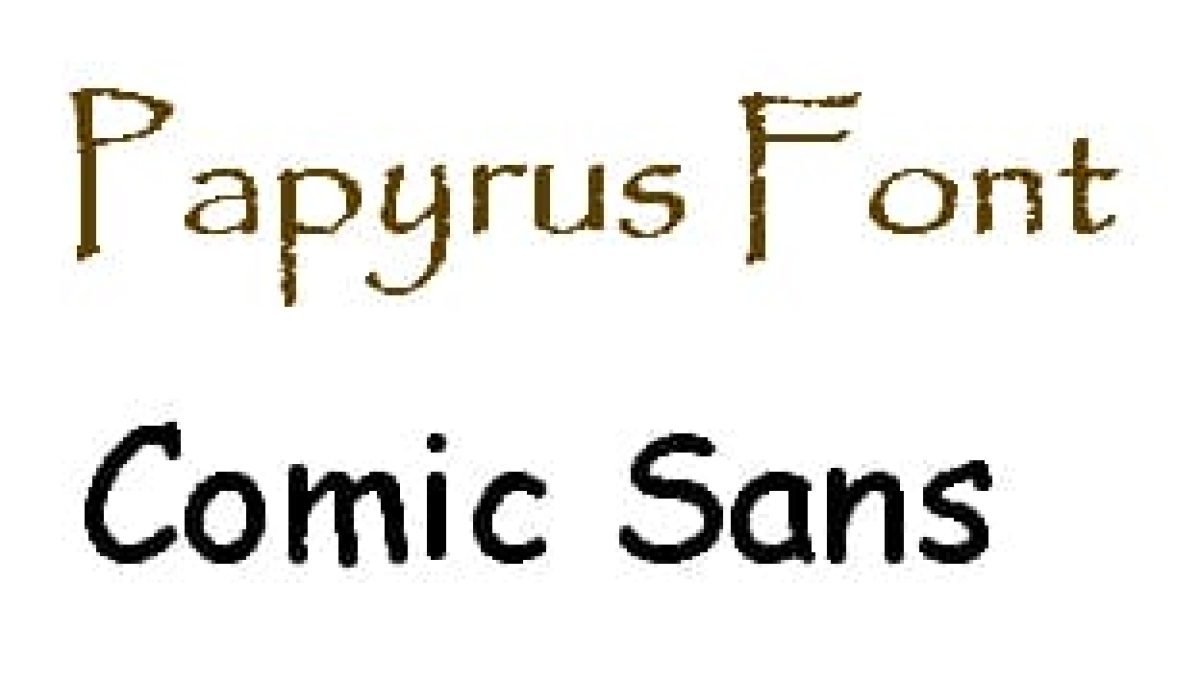
For years, Papyrus has been a design world enigma: universally recognizable, yet almost as universally derided. Its signature textured, handmade look, blending organic and historic elements, once graced everything from movie posters to local coffee shop menus. But if you're a designer seeking that rustic, ancient, or hand-crafted aesthetic without triggering a collective design cringe, you're in the right place. This comprehensive guide will navigate the world of Papyrus Font Alternatives & Similar Typefaces for Your Designs, helping you capture that unique essence with newfound versatility, readability, and modern appeal.
The challenge isn't just to find a font that looks like Papyrus, but one that evokes the same feeling while sidestepping its baggage. We're talking about typefaces that channel ancient civilizations, natural textures, or artisanal craftsmanship – but with better weights, expanded character sets, and a cleaner execution that elevates your work.
At a Glance: Your Quick Guide to Papyrus Alternatives
- Why Ditch Papyrus? It's overused, can feel dated, and often lacks the flexibility modern designs demand.
- What to Look For: Typefaces with textured, organic, ancient, or tribal aesthetics, often with a handmade or calligraphic touch.
- Key Design Elements: Rough edges, brush stroke effects, irregular baselines, culturally inspired motifs.
- Benefits of Alternatives: Improved readability, broader styling options (weights, ligatures), updated character sets, better multilingual support, and a fresh, professional feel.
- How to Choose: Consider your project's theme (e.g., ancient, tribal, nature, artisan), target audience, and required legibility.
- Free vs. Premium: Free options offer a taste, but premium fonts often provide superior design quality, comprehensive glyph sets, and commercial licenses.
Beyond the Meme: Understanding the Papyrus Paradox
Let's be honest: Papyrus is iconic. Designed by Chris Costello in 1982, it quickly became a go-to for anything wanting to convey an "exotic," "ancient," or "natural" vibe without much effort. Its distinct irregular strokes, rough edges, and pseudo-calligraphic appearance were meant to evoke ancient scripts, weathered parchment, or sun-baked stone carvings. Think Avatar movie posters, countless spiritual centers, or even your favorite local smoothie bar's logo.
The problem wasn't its initial design; it was its overuse. Papyrus became the Comic Sans of "ethnic" or "rustic" aesthetics – so ubiquitous that it lost its original charm and became a visual cliché. As designers, we’re often tasked with communicating specific feelings, and Papyrus, for many, now communicates "uninspired" or "a bit dated."
Yet, the spirit of Papyrus—that organic, textured, handmade connection to history or nature—remains deeply appealing. The goal isn't to erase that feeling but to re-interpret it with sophistication and originality. We want fonts that whisper ancient tales or artisanal craft, not scream "I was the default option."
Decoding the Desired Aesthetic: What Makes a Font "Papyrus-Like"?
Before diving into alternatives, let's break down the core characteristics that define the Papyrus aesthetic, so you know exactly what to look for:
- Textured Strokes: This is perhaps the most defining feature. Papyrus doesn't have smooth, uniform lines; its strokes appear brushed, rough, or slightly eroded, suggesting a physical creation process rather than a digital one.
- Organic & Hand-drawn Feel: The letterforms often feel less rigid and more natural, as if drawn by hand or carved with imperfect tools. This gives them a distinct human touch.
- Ancient/Ethnic Inspiration: Many letters have subtle cues that suggest roots in ancient scripts (e.g., Greek, Egyptian, tribal symbols) or a primal, natural origin.
- Irregularities and Imperfections: Unlike clean, geometric typefaces, Papyrus embraces slight variations in stroke width, baseline alignment, and letter spacing, contributing to its "handmade" charm.
- Subtle Contrast: While not a high-contrast serif, there's often a delicate interplay between thinner and thicker stroke parts, adding to its calligraphic quality.
When selecting an alternative, consider which of these elements are most crucial for your project. Are you after the texture? The ancient vibe? The hand-drawn warmth? Or a combination?
The Best Papyrus Font Alternatives: Premium Picks for Polished Designs
These typefaces offer the essence you love about Papyrus but with superior craftsmanship, greater versatility, and a fresh, modern appeal. They’re often equipped with multiple weights, expanded glyph sets, and OpenType features that allow for more sophisticated typographic control.
Channelling Ancient Scripts & Rustic Elegance
Many designers are drawn to Papyrus for its perceived connection to ancient writing systems. These alternatives lean into that historical elegance with improved readability and distinct character.
- CS Axone:
- Vibe: Ancient Greek-inspired, historical, elegant.
- Why it works: Captures a sense of antiquity without being overly rough or unrefined. Its clean lines, coupled with a touch of historical influence, make it suitable for projects that demand both gravitas and clarity.
- Ideal for: Logos, elegant branding for historical societies, museum exhibits, book titles, or academic publications with a classic flair.
- Hunger:
- Vibe: Timeless, elegant, Greek-inspired, bold, angular.
- Why it works: This typeface exudes a strong, ancient presence with its bold and angular forms, reminiscent of classical Greek inscriptions. It’s impactful and authoritative.
- Ideal for: Historical documentaries, academic journal covers, branding for mythology-themed products, or any design needing a powerful Greek influence.
- Farley:
- Vibe: Ancient Greek-inspired, bold, precise, strong serifs.
- Why it works: Farley takes the Greek inspiration and adds a layer of precision and robust serifs, giving it a more grounded and authoritative feel. The unique letterforms stand out.
- Ideal for: Designs exploring heritage, mythology, ancient history, or even luxury branding that wants a touch of classical power.
- Phantom Sigil:
- Vibe: Unique ancient serif, Egyptian, forgotten empires.
- Why it works: Very similar in spirit to Papyrus, Phantom Sigil directly evokes ancient Egyptian writing and lost civilizations. It has a strong, unique character that makes it unforgettable.
- Ideal for: Fantasy book covers, themed restaurants, historical reenactment branding, or any project aiming for a truly archaic and mysterious feel.
- Mesquite:
- Vibe: Ancient Greek, vintage charm, modern finesse, stone-carved, geometric.
- Why it works: Mesquite skillfully blends vintage appeal with modern sophistication. It mirrors the beauty of carved stone, with a robust geometric structure that feels both ancient and contemporary.
- Ideal for: Mythological themes, upscale branding with an antique touch, artisanal product labels, or event invitations.
- Old Scotch:
- Vibe: Authentic blackletter, reminiscent of Papyrus's historical feel.
- Why it works: While a blackletter font, its authentic, hand-scribed feel can echo the textured, historical essence of Papyrus, particularly for projects requiring a touch of medieval or gothic antiquity.
- Ideal for: Craft beer labels, tattoo parlors, historical society branding, or any design seeking a rugged, classic look. (Available in TTF, OTF, WOFF).
- Paraoh:
- Vibe: Stylish handwritten script, similar to Papyrus's organic flow.
- Why it works: Paraoh captures the fluidity and handcrafted warmth of Papyrus, but with a more refined and contemporary script style. It feels personal and artistic.
- Ideal for: Logos, blog headers, invitations, creative branding, or prints where a friendly, personal touch is desired (TTF and OTF formats).
Tribal, Ethnic & Nature-Inspired Wonders
If the organic, tribal, and natural aspects of Papyrus are what you're after, these fonts deliver with intricate details and authentic inspiration.
- Burowai:
- Vibe: Ancient tribal, inspired by Greek letters, tree branches, cave symbols.
- Why it works: Burowai offers a deeply rooted, primal aesthetic. It’s rugged, organic, and directly channels indigenous art forms and natural elements, making it an excellent direct conceptual alternative to Papyrus.
- Ideal for: Adventure-themed branding, natural product packaging, tribal art exhibitions, or environmental initiatives.
- Nomad Tribes:
- Vibe: Captivating, bold, detailed, ancient calligraphy.
- Why it works: This typeface brings a rich, intricate design reminiscent of ancient calligraphic traditions found in tribal cultures. It’s bold enough to command attention while maintaining sophisticated detailing.
- Ideal for: Cultural festival promotions, handcrafted goods branding, travel agencies specializing in exotic destinations, or historical fiction covers.
- Jotunheim:
- Vibe: Distinctive, ancient rune-inspired, offers unique versions.
- Why it works: Jotunheim dives deep into runic aesthetics, providing a clear alternative for a rugged, ancient look. Its three unique versions (from simple to intricate) offer great versatility, and it includes multilingual caps, numbers, and basic punctuation.
- Ideal for: Fantasy gaming, Viking-themed branding, historical documentaries, or projects needing a strong, mystical ancient Nordic feel.
- Nowra:
- Vibe: Unique, Papua cultural richness, integrated tribal motifs.
- Why it works: Nowra stands out by integrating specific cultural motifs, giving it an authentic and distinct tribal identity. It’s far from generic, offering a respectful nod to Papua culture.
- Ideal for: Cultural branding, art prints, merchandise, or educational materials focusing on indigenous cultures.
- Old North:
- Vibe: Unique, Norse rune-inspired, two distinct styles for caps/lowercase.
- Why it works: Similar to Jotunheim, Old North leans into Norse runes but provides distinct styles for uppercase and lowercase, allowing for more dynamic text composition. It also boasts alternative styles.
- Ideal for: Mythological themes, historical fiction, craft breweries, or any design needing a robust, ancient Nordic character.
- Azteker:
- Vibe: Sleek sans-serif, Papyrus-like linearity, tribal accents.
- Why it works: Azteker provides a modern, cleaner take on the Papyrus aesthetic by blending a sleek sans-serif base with linear, tribal accents. It’s less rugged but still conveys that ancient, geometric feel. It even includes bonus vector decorations and frames.
- Ideal for: Contemporary branding, packaging, web design, or app interfaces that want an ancient touch without being overly rustic.
- Ancient Totem:
- Vibe: Two unique typefaces, traditional tribal and ethnic styles.
- Why it works: This versatile package offers not one but two distinct typefaces, both rooted in traditional tribal and ethnic artistry. They capture a broad spectrum of "ancient" and "indigenous" looks.
- Ideal for: Versatile use across tribal themes, logo design, greeting cards, headlines, or billboards where strong cultural identity is key.
- Moonwolf:
- Vibe: Bold, modern tribal, ancient civilization meets mysterious space aesthetic.
- Why it works: Moonwolf is a fascinating blend, taking ancient tribal inspirations and infusing them with a mysterious, almost sci-fi tribal aesthetic. It's intricate, sleek, and powerfully unique.
- Ideal for: Futuristic branding with a tribal twist, gaming, fantasy novels, or products targeting a younger, adventurous audience.
- Rimba Andalas:
- Vibe: Inventive, ethnic-inspired, playful Papyrus feel, tree branch/cave symbol inspiration.
- Why it works: Rimba Andalas shares the playful, organic essence of Papyrus but with fresh, ethnic inspiration drawn directly from nature – tree branches and ancient cave symbols.
- Ideal for: Logos, signage, apparel, children's books, or any design where a lighthearted yet authentic ethnic touch is needed.
Vintage, Textured & Display Alternatives
Sometimes, the texture and vintage display quality of Papyrus are the main draw. These fonts offer that distressed, attention-grabbing look with a modern twist.
- Old Spokes:
- Vibe: Unique vintage display, classic poster design, retro, trendy, ligatures.
- Why it works: Old Spokes evokes a distinct vintage poster aesthetic, blending retro and trendy elements. Its unique ligatures and distressed feel offer a compelling alternative for display purposes where Papyrus might have once been considered. It also supports multiple languages.
- Ideal for: Craft product packaging, vintage-themed events, restaurant menus, branding for retro businesses, or any design needing a strong, nostalgic display font.
- Tropicane:
- Vibe: Abstract-sans serif, electro, traditional fusion, headline-ready.
- Why it works: Tropicane is a highly versatile abstract-sans serif that fuses electro and traditional aesthetics. While not a direct Papyrus clone, its unique, often textured or stylized letterforms can convey a similar "artisan" or "natural" feel in a contemporary context, especially for headlines.
- Ideal for: Headlines, labels, minimalist print designs, flyers, posters, logos, t-shirts, and modern branding that needs a distinctive, artistic touch.
The Best Free Papyrus-Like Fonts
Not every project has a budget for premium fonts, and sometimes you just need a quick, accessible option. While free fonts might not offer the same extensive features or polished consistency as their premium counterparts, these can get you started on the right track.
- Original Papyrus by Chris Costello (Commercial Use):
- Why it works: If you must use Papyrus but need a legally cleared version for commercial projects, this is it. It’s free for commercial use, so you don’t have to worry about licensing issues. Just be aware of the design stigma.
- Modernized Ancient Script Fonts:
- Why it works: Many free font sites offer typefaces described as "ancient script" or "historic." These are often cleaner, more readable versions of old writing styles, providing a subtle nod to antiquity without the Papyrus texture. Look for ones with good legibility, especially at smaller sizes.
- Ideal for: Designers seeking a Papyrus-like font with a refined ancient reference that's still easy on the eyes. Search for terms like "ancient manuscript font" or "historical display font."
- Hand-Drawn Rune-Style Fonts (Personal Use):
- Why it works: For projects that embrace a truly raw, handcrafted, or mystical vibe, hand-drawn rune fonts can be a fantastic alternative. These often replicate ancient symbols or a rough-hewn aesthetic.
- Ideal for: Personal projects, crafting ancient-style titles, fantasy art. Always check the license as many free rune fonts are for personal use only.
- Ancient Egyptian Display Fonts (Personal Use):
- Why it works: Directly inspired by the visual language of ancient Egypt, these fonts often feature hieroglyph-like elements or stylized characters that echo the unique look of Papyrus.
- Ideal for: Personal projects requiring a distinctive ancient Egyptian aesthetic. Again, verify the license for commercial use.
Remember, when using free fonts, always double-check the licensing terms. "Free" doesn't always mean "free for commercial use," and using a font without the correct license can lead to legal issues.
Beyond Direct Look-alikes: Embracing Modern Flexibility
Sometimes, the best alternative isn't a direct clone but a typeface that evolves the spirit of Papyrus. Think of fonts that offer enhanced features, broader language support, and greater design control.
Many modern type designers are creating fonts that are "Papyrus-like" in concept—drawing inspiration from ancient cultures, natural textures, or handmade aesthetics—but with vastly superior technical specifications. These "additional alternatives" often boast:
- Expanded Character Sets: Where Papyrus might have a limited glyph count (e.g., 749 glyphs), modern alternatives can offer significantly more (e.g., 943+ glyphs). This means better support for special characters, symbols, and typographic niceties.
- OpenType Features: Contemporary fonts leverage OpenType, offering advanced features like ligatures (connecting characters for a smoother look), stylistic alternates, swashes, and contextual variations. Papyrus typically has very few of these (e.g., 28 OpenType features compared to 32+ in modern fonts), limiting its adaptability.
- Extended Language Support: If your project needs to reach a global audience, modern fonts often support a much wider range of languages, including extensive Cyrillic and Latin-based character sets (e.g., 230+ languages).
When evaluating options, consider looking for these advanced features. They don't just make a font look better; they make it far more versatile and professional for complex design work, helping you create a seamless and authentic design experience. Experimenting with tools like a Papyrus font generator can help you quickly prototype ideas and see how different stylistic elements might combine to achieve your desired aesthetic, even before you commit to a specific typeface.
Making Your New Typefaces Shine: Practical Design Guidance
Choosing the right alternative is just the first step. Integrating it effectively into your designs is crucial for success.
Context is King: When and Where to Use Them
- Branding & Logos: These are prime candidates for Papyrus alternatives. A unique, well-crafted ancient or tribal font can give a brand a distinctive personality without the clichés. Think about a small batch coffee roaster, an organic skincare line, or a boutique travel agency specializing in cultural tours.
- Headlines & Display Text: Many of these alternatives are designed to make an impact. Use them for headlines, titles, posters, or large-scale signage where readability at a distance is key, and the unique texture or shape can be appreciated.
- Packaging Design: For products that emphasize natural ingredients, traditional craftsmanship, or an exotic origin, a Papyrus-like font can enhance the storytelling on packaging.
- Book Covers & Editorial Design: Fantasy novels, historical fiction, cultural studies, or travel guides can all benefit from an evocative typeface that sets the tone immediately.
- Web Design (Carefully!): While gorgeous, heavily textured or irregular fonts can impact web performance and readability on smaller screens. Use them sparingly for key headings or hero text, and always pair them with highly legible body fonts. Ensure they are web-optimized.
Pairing Like a Pro: The Art of Font Combinations
The strength of a display font is often amplified by its companions.
- Complementary Contrast: Pair your textured, ancient-inspired font with a clean, modern sans-serif. This creates a pleasing contrast, ensuring your body copy is readable while your headlines grab attention.
- Example: Hunger (bold ancient) + Open Sans (clean sans-serif).
- Harmonious Flow: Sometimes, a slightly distressed or organic sans-serif can work well with your main display font for subheadings, maintaining the overall theme without competition.
- Example: Burowai (tribal) + a slightly rustic, handwritten sans-serif for secondary text.
- Serif Sensibility: A classic, legible serif font can also be a good partner, particularly for more formal or traditionally themed projects, grounding the uniqueness of your display font.
- Example: CS Axone (Greek-inspired) + Georgia (classic serif).
Common Pitfalls to Sidestep
- Overuse: Just like Papyrus itself, using any distinctive display font too much can dilute its impact. Reserve it for key elements.
- Readability Issues: Heavily textured or highly stylized fonts can be difficult to read in small sizes or long blocks of text. Always test legibility.
- Mismatched Themes: Ensure the font's aesthetic truly aligns with your project's message. A tribal font on a tech startup's website might send the wrong message.
- Poor Kerning & Spacing: Due to their irregular nature, some Papyrus-like fonts may require manual kerning adjustments for a polished look. Don't rely solely on automatic settings.
Quick Q&A: Addressing Your Font Curiosities
Let’s tackle some common questions about Papyrus and its alternatives.
Q: Is Papyrus really that bad?
A: "Bad" is subjective in design, but "overused" and "dated" are generally accurate. It became a cliché due to its ubiquitous, often inappropriate, application. For many designers, it signals a lack of originality.
Q: When can I actually use the original Papyrus font?
A: Very rarely, and with extreme caution. Perhaps in an ironic context, a retro throwback project specifically trying to evoke the early 2000s, or if a client insists and you have no other recourse. Even then, present stronger alternatives first. For personal, non-critical projects, it's less of an issue, but be mindful of its reputation.
Q: Are Papyrus alternatives only for "ethnic" or "ancient" themes?
A: Not necessarily. While many draw from those inspirations, the core appeal often lies in the textured, organic, or handmade quality. This can extend to artisanal food products, eco-friendly branding, craft beer labels, fantasy art, or any design seeking a rugged, earthy, or custom-made feel.
Q: What about accessibility with these highly stylized fonts?
A: Accessibility is crucial. Highly stylized or textured fonts can pose challenges for users with visual impairments or learning disabilities. For critical information, body text, or digital interfaces, prioritize clear, highly readable fonts. Use your Papyrus alternatives as decorative or accent elements, and always ensure sufficient contrast.
Q: How do I test a font before buying it?
A: Most reputable font marketplaces (e.g., MyFonts, Fontspring, Creative Market) allow you to preview text in different sizes and even download trial versions for testing. Take advantage of this to see how the font performs with your specific copy and in various design mockups.
Bringing Your Designs to Life with Authenticity
Navigating the world of Papyrus font alternatives isn't just about finding a replacement; it's about elevating your design vocabulary. By understanding the underlying appeal of Papyrus and exploring the rich landscape of similar typefaces, you empower yourself to create work that feels truly authentic, modern, and compelling.
Whether you're crafting a logo for an artisanal brand, designing a book cover for an epic fantasy, or promoting a cultural event, the right typeface can tell a story, set a mood, and connect with your audience on a deeper level. Move beyond the cliché, embrace the wealth of options available, and infuse your designs with the textured charm and ancient allure they deserve – without a hint of design remorse.