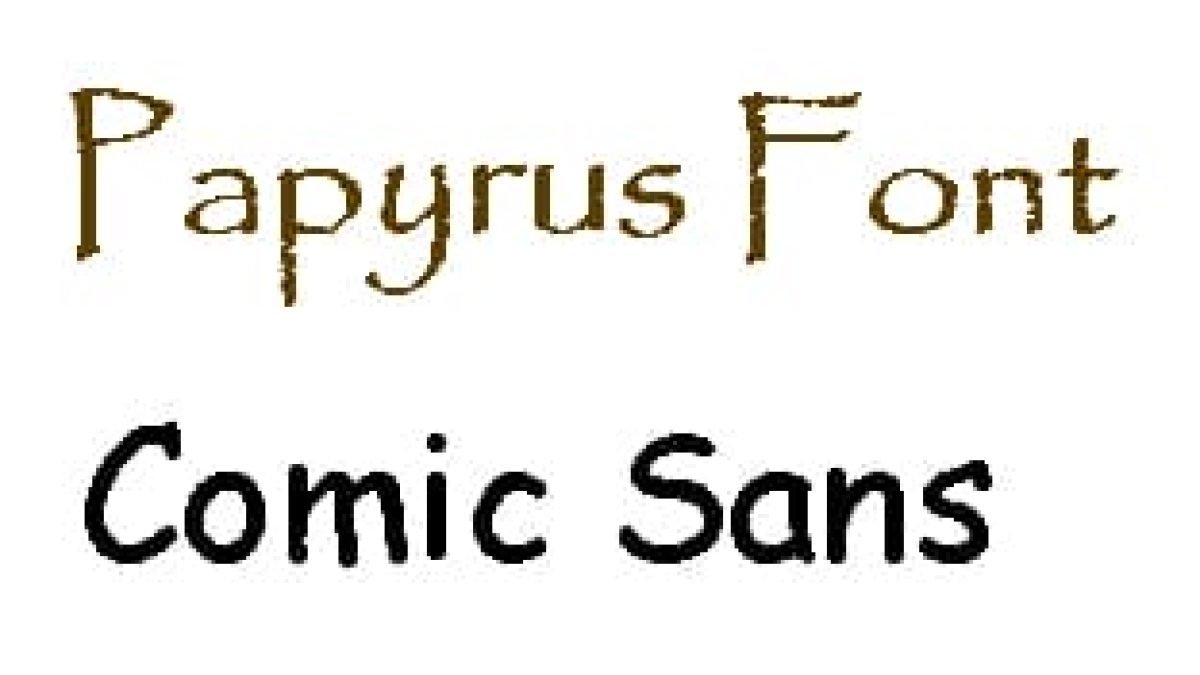
Papyrus. Just the name conjures images of ancient scrolls, epic sagas, and perhaps, a certain blockbuster sci-fi film. While it might be one of the most recognizable (and, dare we say, sometimes overused) fonts, mastering Customizing Papyrus Font: Styling Tips and Text Effects can transform it from a design cliché into a powerful, evocative tool. It’s not about abandoning Papyrus; it’s about wielding it with intention and sophistication, making it truly yours.
Imagine the subtle texture of aged parchment, the delicate fraying edges, the hand-drawn irregularities – these are the hallmarks of Papyrus. But what if you could imbue it with new life, adding metallic sheen, a weathered distress, or a vibrant gradient that makes it pop off the page? This isn't just about picking a font; it's about crafting an experience. And with the right techniques, you can elevate your designs, making Papyrus resonate with newfound artistry.
At a Glance: Crafting Custom Papyrus
- Beyond Basic Black: Explore color theory, gradients, and subtle hues to redefine Papyrus’s mood.
- Depth and Dimension: Master shadows, outlines, and 3D effects to give your text a tangible presence.
- Texture Talk: Discover how to apply distressed, weathered, or metallic textures for authentic appeal.
- Harness Online Generators: Utilize intuitive tools like TextStudio and Papyrus Font Generator to unlock advanced effects without complex software.
- Context is King: Learn when and where Papyrus truly shines, and how to avoid common pitfalls.
- Typography Harmony: Understand how to pair Papyrus with complementary fonts for balanced designs.
The Enduring Charm (and Challenge) of Papyrus Font
Papyrus holds a unique place in the typographic lexicon. Designed by Chris Costello in 1982, its distinctive style, characterized by rough edges, irregular strokes, and a slightly higher crossbar on certain letters, mimics the look of ancient writing on papyrus paper. It evokes a sense of history, mysticism, and organic artistry.
However, its ubiquity, especially as a default font in many applications, has led to its reputation as a "designer's headache." The challenge isn't the font itself, but its indiscriminate application. To truly make Papyrus work for you, you need to move beyond its default state and actively customize it. This means embracing styling tips and text effects that enhance its inherent qualities while aligning with your specific creative vision. It’s about conscious design choices, not just passive selection.
Beyond Basic Text: What Customization Means for Papyrus
Customizing Papyrus goes far beyond simply changing its size or color. It's an exploration of its visual potential, leveraging digital tools to add layers of sophistication. Think of it as taking raw, beautifully textured clay and then shaping, glazing, and firing it to create a masterpiece.
For Papyrus, customization involves:
- Color Schemes: Not just black, but earthy tones, jewel tones, metallic shimmers, or even subtle gradients.
- Text Effects: Adding depth through shadows, outlines, embossing, and 3D perspectives.
- Textures and Patterns: Applying overlays that mimic different materials like stone, wood, rust, or glitter.
- Distortion and Manipulation: Subtle warping, aging, or grunge effects to enhance its ancient feel.
- Animation (for digital uses): Fades, glows, or subtle movements that bring the text to life.
These elements, when combined thoughtfully, allow you to sculpt Papyrus into something truly unique, moving it away from the generic and towards bespoke artistry.
Essential Styling Tips for Papyrus Font: Building Your Foundation
Before diving into complex effects, let's nail the fundamentals. A strong foundation in basic styling ensures your custom Papyrus remains readable and visually appealing.
1. The Power of Color: Setting the Mood
Color is perhaps the most immediate way to transform Papyrus.
- Earthy & Muted Tones: To enhance its ancient, natural feel, opt for colors found in nature: deep greens, sandy browns, terracotta reds, or muted blues. These colors lend an organic, grounded feel.
- Metallic Hues: For a touch of elegance or fantasy, gold, silver, or bronze can make Papyrus feel regal and precious, perfect for titles or special announcements.
- Vibrant Accents (with caution): While Papyrus typically thrives in subdued palettes, a carefully chosen vibrant accent color can make key words pop, especially against a dark background. Think jewel tones: emerald, sapphire, ruby.
- Gradients: A subtle linear or radial gradient, transitioning between two complementary earthy tones (e.g., dark brown to tan, or deep green to olive), can add depth and a smooth, natural flow that mimics aged paper.
Practical Tip: When choosing colors, consider the background on which your Papyrus text will appear. High contrast ensures readability, but sometimes a low-contrast, monochromatic palette can evoke a sophisticated, subtle mood.
2. Size and Scale: Commanding Attention
Papyrus, with its intricate details, often benefits from being used at larger sizes where its unique characteristics are more visible.
- Headings & Titles: This is Papyrus’s sweet spot. Larger sizes (e.g., 24pt and above) allow its distinctive rough edges and organic strokes to be fully appreciated.
- Subheadings & Callouts: Use it sparingly for shorter phrases to add a thematic touch without overwhelming the reader.
- Avoid Body Text: Papyrus is generally not suitable for long blocks of body text. Its irregular nature can make sustained reading fatiguing. Stick to sans-serif or serif fonts for your main content.
3. Letter and Line Spacing: Breathing Room
The unique character forms of Papyrus require careful attention to spacing (kerning and leading).
- Kerning (Letter Spacing): Sometimes, the default spacing between certain letter pairs (e.g., 'VA', 'Wo') can appear too tight or too loose in Papyrus. Manually adjust kerning in your design software to ensure even visual distribution. Aim for a slightly open feel to prevent the rough edges from clashing.
- Leading (Line Spacing): Due to its slightly taller x-height and ascenders/descenders, Papyrus often benefits from slightly more leading (space between lines) than standard fonts. This prevents lines from looking cramped and improves readability, especially in multiline titles.
Unleashing Text Effects: Depth, Texture, and Shine
Now, let's delve into the exciting world of text effects that truly make Papyrus come alive. These effects can simulate physical properties, add dramatic flair, and create a sense of realism or fantasy. Many of these effects can be easily applied using online tools designed for creating stylized text, such as those found on sites where you can Generate Papyrus text online.
1. Shadows and Glows: Adding Depth and Aura
Shadows and glows are fundamental for adding dimension and visual interest.
- Drop Shadow: This is your go-to for making Papyrus lift off the background.
- Subtle Depth: A small, soft, dark shadow (e.g., 2px offset, 3px blur, 30% opacity) creates a gentle lift.
- Dramatic Punch: A larger offset, harder shadow can make the text appear more substantial, like carved stone.
- Colored Shadows: Instead of black, try a shadow in a slightly darker shade of your text color for a more integrated look, or a contrasting color for a vibrant pop.
- Inner Shadow: This effect makes the text appear recessed or carved into the surface. Use a light color for the shadow to simulate light hitting the edges, with a dark inner text color.
- Outer Glow/Blur: A soft, diffused glow around Papyrus can give it an ethereal, mystical quality. Think of ancient script lit by candlelight. Use a light color (white, pale yellow, or a soft blue) with a significant blur radius. This can be particularly effective for fantasy themes.
2. Outlines and Strokes: Defining Edges
Outlines (or strokes) can dramatically change the perception of Papyrus, making it bolder or more defined.
- Simple Stroke: A thin, dark stroke (1-2px) can sharpen the rough edges of Papyrus, making it stand out more clearly, especially against busy backgrounds.
- Multiple Strokes: Layering strokes of different colors and thicknesses can create a sophisticated, layered look. For example, a thin white inner stroke followed by a thicker dark outer stroke.
- Distressed Outlines: Some advanced generators allow you to apply a "distressed" or "rough" outline that complements Papyrus’s natural texture, making it look hand-inked or aged.
3. Gradients and Overlays: Infusing Richness
Gradients transition smoothly between colors, while overlays add textures or patterns.
- Linear Gradients: Perfect for simulating light hitting the text unevenly, like an aged scroll fading from top to bottom.
- Example: A gradient from dark sepia at the top to a lighter tan at the bottom can create a "weathered" look.
- Example: A metallic gradient (dark gold to light gold) can give it a polished, ornate appearance.
- Radial Gradients: Can make the text appear to glow from its center or be illuminated by a spotlight.
- Texture Overlays: This is where Papyrus truly shines.
- Parchment/Paper Texture: An overlay of a subtle paper or parchment texture (often a desaturated image or pattern) can instantly ground Papyrus in its historical context.
- Stone/Wood Texture: For a monumental feel, apply a faint stone or wood grain texture. This works especially well for titles intended for signs or carved inscriptions.
- Grunge/Distress Overlay: To enhance its aged look, a grunge texture can add subtle imperfections, scratches, or faded areas, making it appear genuinely ancient and worn. TextStudio.com, for instance, offers various grunge effects to apply.
- Liquid/Ink Spill: For a more dramatic, ancient manuscript look, an ink spill texture can simulate natural imperfections.
4. 3D and Embossing: Giving Form
These effects add a sense of physical depth, making your Papyrus text appear to be a real object.
- Emboss/Deboss:
- Embossing: Makes the text appear raised, as if stamped into metal or carved from wood. This typically involves light and dark shadows on opposite sides of the text edges.
- Debossing: Makes the text appear sunken, carved into the surface. This reverses the light and shadow play of embossing. Both add a tactile quality.
- True 3D Effect: More advanced tools and software can extrude Papyrus text into a true three-dimensional object. This is ideal for logos, game titles, or striking headers, making it look monumental. You can often find options to Generate Papyrus text online with 3D styling.
- Perspective Warp: A subtle perspective shift can make Papyrus appear as if it's receding into the distance or curving around an object, adding dynamic movement.
Papyrus Generators: Your Digital Workshop
You don't need complex design software like Photoshop to create stunning custom Papyrus text. Online Papyrus font generators are incredibly powerful and user-friendly tools that allow you to apply a vast array of styling tips and text effects with just a few clicks.
Websites like TextStudio.com and PapyrusFontGenerator.com are prime examples. They offer intuitive interfaces where you can:
- Type Your Text: Simply input the words you want to transform.
- Choose a Base Style: Often, these generators provide pre-designed Papyrus styles (e.g., "Ancient Papyrus," "Golden Scroll," "Grunge Papyrus") as starting points.
- Customize to Your Heart's Content:
- Color Pickers: Select primary and secondary colors, gradient stops.
- Effect Sliders: Adjust shadow depth, blur, outline thickness, glow intensity.
- Texture Libraries: Browse and apply various background or text textures (parchment, stone, metal, etc.).
- Special Effects: Find options for distress, crackling, metallic finishes, or even animated glows.
- Download Your Creation: Once satisfied, you can usually download your customized Papyrus text as an image (PNG, JPG) or sometimes even as a CSS snippet for web integration.
These generators are invaluable for quick mock-ups, social media graphics, personal projects, or anyone looking to achieve professional-level effects without a steep learning curve. When you're ready to create something unique, remember that you can easily Generate Papyrus text online with these fantastic tools.
Crafting Visual Stories: Practical Examples
Let's look at how customizing Papyrus can bring different design scenarios to life.
- "Ancient Relics" Museum Exhibit Poster:
- Styling: Papyrus, large size, deep sepia tone, slight inner shadow for debossed look, subtle parchment texture overlay, and a dark, soft drop shadow.
- Effect: Creates a solemn, historical, and weighty feel, inviting viewers to explore artifacts.
- "Fantasy Realm" Game Title:
- Styling: Papyrus, extra-bold (if available), metallic gold gradient, sharp outer glow in a pale magical blue, subtle crackling texture overlay.
- Effect: Evokes magic, adventure, and treasure, drawing players into an epic world. You might want to Generate Papyrus text online with similar mystical effects.
- "Handmade Soaps & Crafts" Logo:
- Styling: Papyrus, medium size, muted earthy green color, very light, soft drop shadow, very faint, irregular watercolor texture overlay.
- Effect: Suggests natural, artisanal, and organic products, connecting to the handmade craft aesthetic.
- "Spooky Halloween Invitation":
- Styling: Papyrus, dark charcoal gray color, thin jagged red outline, glowing red outer blur, subtle cobweb texture overlay.
- Effect: Instantly conveys a creepy, mysterious, and festive Halloween vibe.
Common Pitfalls to Avoid When Customizing Papyrus
Even with the best intentions, it's easy to misuse Papyrus. Here's what to watch out for:
- Overuse in Body Text: As mentioned, Papyrus is for display, not sustained reading. Avoid it for paragraphs or small print.
- Inappropriate Contexts: While versatile, Papyrus doesn't fit every brand or theme. A tech company's website header or a modern minimalist interior design firm's brochure would look out of place with Papyrus. Always consider your brand identity.
- Too Many Effects: Don't throw every effect at it. A subtle shadow, a thoughtful gradient, and a relevant texture are often more impactful than a chaotic mix of glows, outlines, and extreme distortions. Less is often more.
- Poor Color Contrast: Ensure your customized Papyrus text has enough contrast with its background to remain readable. A beautiful texture or glow is wasted if the words are indistinguishable.
- Stretching/Distorting: While subtle manipulation is fine, avoid squishing or stretching Papyrus disproportionately. This distorts its unique character shapes and makes it look unprofessional.
- Using Default Papyrus: If you're going to use Papyrus, customize it! The default black text on a white background screams "I didn't try." Applying even a simple color change or subtle shadow can make a world of difference.
Designing with Purpose: When Papyrus Shines Brightest
Papyrus isn't inherently "bad"; it's just misunderstood and often misapplied. When used intentionally and customized thoughtfully, it excels in specific niches:
- Historical & Archaeological Themes: Posters, book covers, documentaries, museum exhibits.
- Fantasy & Mythological Genres: Game titles, fantasy novel covers, role-playing game materials, movie titles.
- Spiritual & Mystical Content: Yoga studio branding, meditation guides, spiritual retreat promotions.
- Handmade & Artisanal Crafts: Product labels for natural soaps, pottery, handmade jewelry, or unique artisanal goods.
- Cultural & Ethnic Events: Invitations or posters for events celebrating ancient cultures, indigenous art, or traditional storytelling.
- Natural & Organic Products: Branding for eco-friendly goods, herbal remedies, or natural cosmetics, where its organic feel resonates.
In these contexts, Papyrus’s inherent characteristics—its rough edges, organic feel, and historical resonance—become assets rather than liabilities, especially when enhanced with appropriate styling and effects.
Your Papyrus Font Customization Toolkit: FAQs
Let's tackle some common questions about Papyrus customization.
Q: Can I use Papyrus for web design?
A: Yes, but with caveats. While you can use Papyrus as an image (created with a generator), using it directly as a web font (@font-face) can impact loading times and cross-browser consistency. Many designers opt to convert custom Papyrus text into an SVG or PNG for web headers and logos for consistent display.
Q: What are the best fonts to pair with customized Papyrus?
A: Papyrus is a strong display font, so it pairs well with simpler, highly readable sans-serifs or clean serifs for body text.
- Sans-serifs: Open Sans, Montserrat, Lato, or Raleway offer a modern contrast.
- Serifs: Trajan Pro, Georgia, or Playfair Display can complement its classic feel without competing. Avoid pairing it with another heavily textured or ornate font.
Q: How can I create a truly "aged" Papyrus effect?
A: Combine multiple effects:
- Color: Start with a desaturated sepia or a faded brown.
- Gradient: Apply a subtle linear gradient to simulate uneven fading.
- Texture: Overlay a fine parchment, tea-stained, or subtle grunge texture.
- Distortion: If your tool allows, add a very slight wave or ripple effect to mimic warped paper.
- Shadow/Highlight: Use inner shadows to create the illusion of torn or frayed edges.
Q: Are there any ethical considerations when using Papyrus?
A: Papyrus is a commercial font, and its license dictates usage. Most operating systems (Windows, macOS) include it, allowing personal and commercial use in designs, but it's always wise to check your specific license terms if you're distributing the font itself rather than an image of text. When using online generators, ensure you adhere to their terms of service for any downloaded assets.
Q: How do I make Papyrus look "magical" or "ethereal"?
A: - Color: Use soft purples, deep blues, or iridescent silver.
- Glow: Apply a strong, soft outer glow in a complementary color (e.g., pale blue glow on dark purple text).
- Sparkle/Dust Overlay: If available, a subtle star or dust particle overlay can enhance the mystical feel.
- Transparency: Slightly reduce the opacity of the text itself or part of its effects for a more ethereal, fading quality.
Elevate Your Designs with Custom Papyrus
The journey of Customizing Papyrus Font: Styling Tips and Text Effects is about respect—respect for the font's unique heritage and respect for your audience. It's about taking a familiar element and transforming it into something compelling and intentional. No longer simply a default option, your customized Papyrus can become a signature element in your designs, conveying ancient wisdom, fantastical wonder, or artisanal charm with grace and power.
So, the next time you consider Papyrus, don't just pick it. Instead, open your design tools, whether it's sophisticated software or an intuitive online generator, and begin to sculpt. Play with colors, layers, textures, and dimensions. Discover how a carefully applied drop shadow can add monumental weight, or how a subtle parchment overlay can whisper tales of old. Make it yours, and watch as your designs transcend the ordinary, leaving a lasting impression that's anything but ancient.